Activity
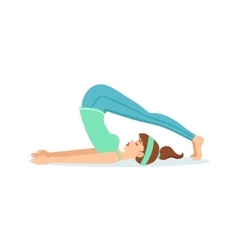
Hala - asana
Skill: Specialised Sports Coaching
Sports: Yoga
Technique: Prone and supine Poses
Class: Class 2
Skill: Specialised Sports Coaching
Sports: Yoga
Technique: Prone and supine Poses
Class: Class 3
Skill: Specialised Sports Coaching
Sports: Yoga
Technique: Prone and supine Poses
Class: Class 4
Skill: Specialised Sports Coaching
Sports: Yoga
Technique: Prone and supine Poses
Class: Class 5
Skill: Specialised Sports Coaching
Sports: Yoga
Technique: Prone and supine Poses
Class: Class 6
Skill: Specialised Sports Coaching
Sports: Yoga
Technique: Prone and supine Poses
Class: Class 7
Skill: Specialised Sports Coaching
Sports: Yoga
Technique: Prone and supine Poses
Class: Class 8
Skill: Specialised Sports Coaching
Sports: Yoga
Technique: Prone and supine Poses
Class: Class 9
Skill: Specialised Sports Coaching
Sports: Yoga
Technique: Prone and supine Poses
Class: Class 10
Skill: Specialised Sports Coaching
Sports: Yoga
Technique: Prone and supine Poses
Class: Class 11
Skill: Specialised Sports Coaching
Sports: Yoga
Technique: Prone and supine Poses
Class: Class 12
Skill: Specialised Sports Coaching
Sports: Yoga
Technique: Prone and supine Poses
Hala - asana
Learning Outcomes
Improves flexibility in the spine, shoulders, and hamstrings.
Enhances core strength and abdominal control.
Promotes relaxation and reduces stress by calming the nervous system.
Improves blood circulation to upper body and brain.
Develops body awareness, balance, and controlled breathing.
Description Of Activity
The Sanskrit word Hala means plow, as in a traditional plow that is drawn by a horse or oxen. When performing this posture your body resembles a plow.
Performing Instructions:
- Lie flat on the back in the shava-asana (the corpse pose).
- Inhale through the nostrils. Place the palms face-down on the floor. Keeping the hips on the floor, bend the knees and bring them up toward the stomach while exhaling.
- Inhale, then while exhaling, raise the legs straight up perpendicular to the floor. You may support your hips with your hands or leave the arms flat on the floor, whichever is most comfortable.
- Exhale and continue to raise the legs over the head, bending at the waist, lifting the back and buttocks until the toes touch the floor directly in the back of the head. Keep the feet together. If the lower back is supported by the hands try returning the arms flat to the floor with the palms facing down. If you are unable to comfortably place the arms on the floor continue to support the lower back with the hands.
- Keep the knees straight. Breath slowly through the nostrils and hold the posture for several minutes. If you cannot touch the floor with your toes hold them as close to the floor as possible and continue to exert effort to lower them.
- Reverse the steps to return to the shava-asana.
Comments:
The benefits of this posture, like the savanna-asana, are numerous. All of the muscles and ligaments in the calves and thighs are stretched resulting in greater leg flexibility. People suffering from leg cramps will find great relief from the hala-asana. Since the abdominal area is contracted, blood compressed out of this area releases toxins and when the contraction is released the area is flooded with richly oxygenated blood. The contraction also helps to relieve gas and stimulates a sluggish digestive system. Similar effects take place as the neck and chest area is compressed affecting the throat, thyroid, hyperthyroid, and lungs. Upper and lower back pain or discomfort are relieved due to the forward stretching of the spine. It is highly recommended that this posture be accompanied by the sarvanga-asana. In fact, many of the benefits of the sarvanga-asana apply to the hala-asana as well with the added benefits detailed above. The hala-asana is an excellent morning posture although some might find it more difficult then. During sleep the spine can become somewhat compressed resulting in the experience of tightness or stiffness in the back. A few repetitions of the hala-asana will quickly restore flexibility to the spine as well as promote alertness.
Duration/Repetitions
Hold the hala-asana for as long as you are comfortable. 20-30 seconds is fine for early attempts, increase the time gradually as you become more comfortable.
Cautions/Restrictions
The hala-asana should not be performed by women who are menstruating, as is the case with all inverted postures (where the legs are raised over the head). No other restrictions apply.
Variations
There are several variations of the basic hala-asana each of which requires greater flexibility in the spine and legs. Once one is adept at performing this asana these variations may be tried. The first entails swinging the arms around and either touching or grasping the toes with the hands (1). The posture is then held in this position. (illustrated above) Another variation calls for dropping the knees to the ground and placing them close the ears and keeping the arms extended on the floor (2). And finally from this variation the arms are swung around and placed over the legs behind the knees and the hands are clasped and pressed down on the knees to hold them firmly on the floor (3). All three variations are held while breathing gently gently through the nostrils.
Equipment/Material Required