Activity
Marching on the Spot
Class:
Class 1
Skill: Fundamental Movement Skills
Sports: Locomotor skills
Technique: Walking
Class: Class 2
Skill: Fundamental Movement Skills
Sports: Locomotor skills
Technique: Walking
Class: Class 3
Skill: Fundamental Movement Skills
Sports: Locomotor skills
Technique: Walking
Skill: Fundamental Movement Skills
Sports: Locomotor skills
Technique: Walking
Class: Class 2
Skill: Fundamental Movement Skills
Sports: Locomotor skills
Technique: Walking
Class: Class 3
Skill: Fundamental Movement Skills
Sports: Locomotor skills
Technique: Walking
Marching on the Spot
Learning Outcomes
Walking to a changing rhythm
Walking on the spot
Stopping on the beat
Relationships with others (cooperation and leadership)
Description Of Activity
- Children spread out safely in a hard court or grass area.
- Teacher/coach stands where all children can see and hear the beat.
- Children practise the following rhythm-based movements:
- March & Stop
- Teacher beats a set number of beats.
- Children march on the spot, starting and stopping exactly on the beat.
- Example:
1-2-3-4-5-6 march (L, R, L, R, L, R) Stop - Repeat several times.
- Walk and March
- Intermix walking on the spot with moving forward.
- Respond to the beat for start and stop.
- Change Direction
- Continue marching or walking while changing direction each time the beat pattern changes.
- Partner Leader
- Work in pairs.
- One partner leads the rhythm and movement.
- Change leader when walking on the spot.
- Clap Your Own Rhythm
- Children clap their own rhythm while walking or marching.
- Lift & Clap
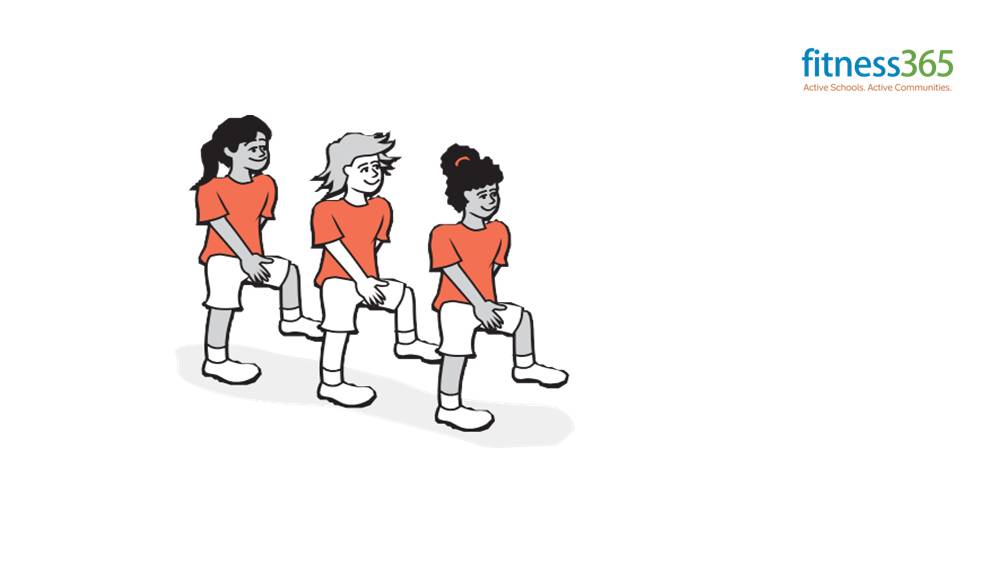
- Lift one knee and clap underneath.
- Alternate legs.
- Lift & Under / Over
- Clap under the bent knee.
- Clap over the bent knee.
- Knee Slap Walk
- Walk while gently slapping hands on top of knees.
- Lift & Click
- Lift one knee and click fingers beside it.
- Teacher calls: Lift and click left / Lift and click right.
- Combination Moves
- Combine actions, e.g.:
- Clap under left knee
- Clap over right knee
- Teaching Points / What to Look For
- Children moving in time with the beat
- Clear start and stop control
- Awareness of space and others
- Confidence and enjoyment
- Cool Down / Closure
- Gentle walking and stretching
- Review key skills: rhythm, coordination, control
- Ask reflection questions:
- Was it easier to move fast or slow?
- Which rhythm did you enjoy most?
Variations
In pairs or small groups, children create their own rhythms.
Groups march and move together to their chosen beat.
Equipment/Material Required
Rhythm instrument(s) (drum, tambourine, clappers, sticks)