Activity
Tada asana - The mountain Pose
Skill: Specialised Sports Coaching
Sports: Yoga
Technique: Tada asana - The mountain Pose
Class: Class 7
Skill: Specialised Sports Coaching
Sports: Yoga
Technique: Tada asana - The mountain Pose
Class: Class 8
Skill: Specialised Sports Coaching
Sports: Yoga
Technique: Tada asana - The mountain Pose
Tada asana - The mountain Pose
Learning Outcomes
Description Of Activity
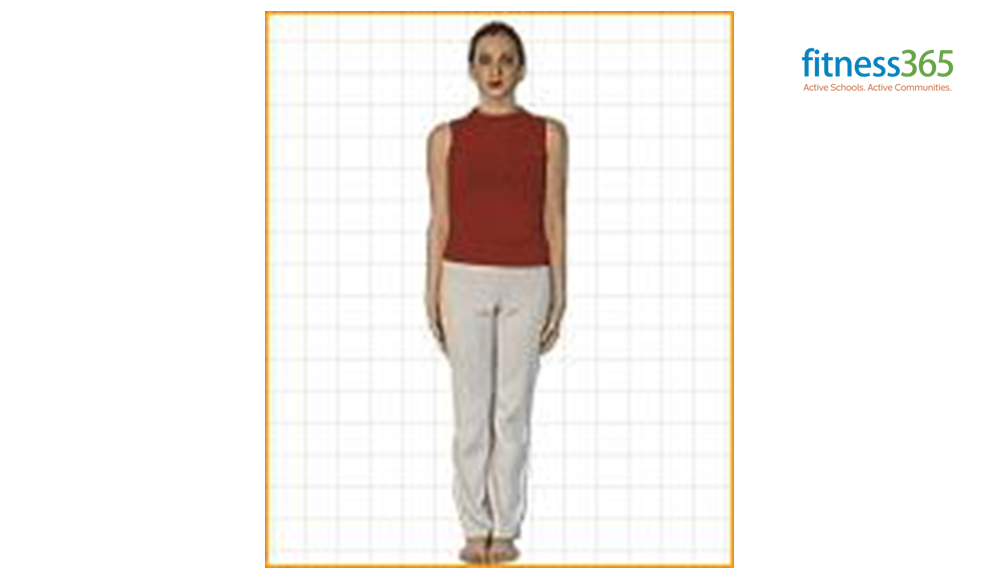
(Pronunciation: ta-dah-sa-a) Description: The Sanskrit word tada means mountain. This posture is also known by the name Yamashita-asana. Sama means unmoved, equilibrium, and this means standing upright or firmly, abiding, remaining, thus Yamashita means standing firmly without moving.
Performing Instructions
- Stand with both feet touching from the heel to the big toe, keeping the back straight and the arms pressed slightly against the sides with palms facing inward.
- Slightly tighten or flex the muscles in the knees, thighs, stomach, and buttocks maintaining a firm posture. Balance your weight evenly on both feet.
- Inhale through the nostrils and lift the buttocks off the legs arching the back and thrusting the abdomen forward and tilt the head as far back as possible.
Comments
Many common ailments and discomforts can be traced to poor posture. If the spine is not properly aligned or if there is tightness or stiffness in the back, the result is often an imbalance in the body. When this imbalance becomes chronic many kinds of disorders arise in the organs, glands, and nervous system. Performing the tada-asana allows one to observe one's posture closely and clearly recognize those problems which get masked or ignored by day-to-day activities. As the posture is held and the breath, mind, and body are quieted various effects will surface to indicate difficulties with the spine. Favoring one foot over the other, shifting back and forth, drooped shoulders, tightness in the neck and upper or lower back, and various other physiological disturbances may appear indicating the need for further yoga practice. The proper execution and continual practice of the tada-asana along with other postures help to re-train the body to stand correctly and reverse the negative effects of poor posture. When the tad-asana is performed properly and the mind is focused and free of distraction, the body is experienced as being rooted firmly to the earth and as steady and motionless as a mountain.
Duration/Repetitions
One repetition for several minutes is advisable. The tada-asana is also recommended prior to and following any other standing posture.
Equipment/Material Required